
Müge Akgün/Hürriyet
The fig tree is regarded as sacred and its leaf and fruit appear in almost everywhere from mythology and sacred texts to art and historical narratives.
In Greek mythology, Apollo appointed a crow to fetch some water. But the crow is distracted by the fig and could not fulfill its mission. In ancient Greek civilization, crowns made of fig leaves symbolize fertility.
In ancient Roman mythology, the wolf suckling Romus and Romulus Brothers, the founder of the city of Rome, rests under the fig tree.
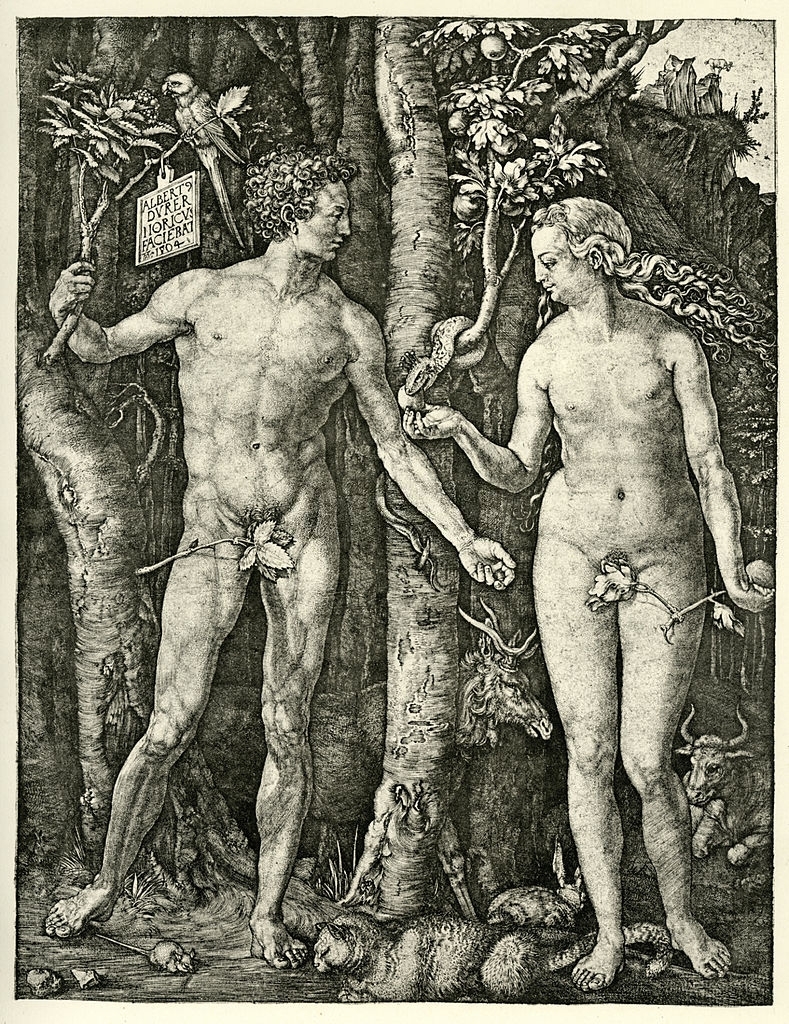
In the Bible, it is described as the tree growing in the Garden of Eden. Adam and Eve who eat the forbidden fruit used fig leaves to cover their nakedness. There is also a special chapter about fig in the Quran.
Although such stories which blend myths and facts secured a place in the history books, fig has been still regarded as the symbol of fertility today. It has an important place in our lives as a nutritional and economic value. We still consume it fresh and dried…
Some sources say that the fig was first grown in Egypt. Some sources state that a wide geography extending through Mediterranean, Anatolia and Middle East provides its habitat. Fig growing in dry and hot climates has an interesting reproduction system. Fig plants are divided into two types; male and female. While the female trees produce huge, delicious and plenty of figs, the male trees do small, less and inedible fruits. Male trees are needed only for pollination. One male tree is generally planted amongst female trees. The fig flowers are pollinated by small swaps.
Scientists’ research shows that the fig is high in fiber, rich in potassium and has high nutritional value. One fig about 50 grams contains 37 calories. Only five dried figs meet the daily fiber requirement. It also contains B6, magnesium, copper and potassium. It is a powerhouse of antioxidant. Its leaves are good for diabetes. Fresh and dried figs prevent and treat constipation, blood pressure, cholesterol, eye, bone and heart diseases. As it contains about 40 percent sugar, especially those who are on a diet and at risk of diabetes should consume figs carefully. Its excessive consumption can lead to excess fiber intake and therefore diarrhea. Although the fig tree latex has the potential to treat warts, it can cause allergic reactions in some people.
Even though dried figs are available in all seasons throughout the year, the smell and taste of fresh figs are completely different. When buying fresh figs, you should be careful that their skin is fresh and not cracked. When you smell them, they should not have a sour smell. Since fresh figs rot rapidly, you should store them in a closed bag within the refrigerator and consume them within two days at most. You should also wash and dry them before eating. It is valid for dried figs, as well. You should keep them in a dry and cold place and wash them before eating.
Certain Types of Figs
Sari lop (Calimyrna): It is grown in Aegean Region, commonly in Aydın. It has been registered by Aydın Chamber of Commerce. Sari lop accounts for about 90% of fig production in Turkey. It is the most suitable type for dried fig production.
Sarı Zeybek: It is preferred for dried fig production and grown in Aegean Region. The harvest season is between the beginning of August and the end of October.
Bursa Siyahi: It is a type of purplish black, fresh table fig. and quite large and round. The harvest season in Aegean is between August and October and in Bursa between September and November.
Goklop: It is a type of thick-skinned, greenish yellow, rot-resistant, fresh table fig.
Bardakci/ Bardacik Fig: It is a type of thin-skinned, yellowish, fresh table fig and the most delicious and tasty one among fig types. You can peel it easily but it is not long lasting. Therefore, you should consume it in a short time.
Akca Fig: It is preferred for both fresh table and dried fig production. It has a greenish very thin skin and sweet smell.
Sultanselim Fig: It has a purplish and thick skin. It is a type of quite fleshy, delicious and fresh table fig. It grows especially in İstanbul and its surroundings.
https://www.hurriyet.com.tr/seyahat/ademle-havvadan-kalan-incirin-oykusu-40583859


 No products in the cart.